



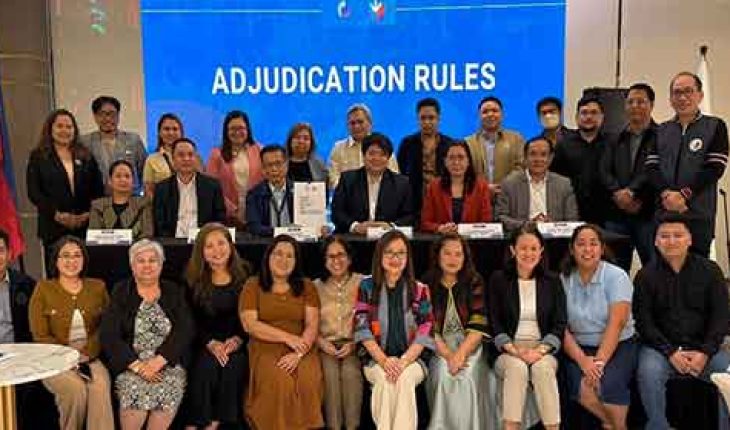
Quezon City, Philippines — The Department of Migrant Workers (DMW) has marked a significant step forward in protecting overseas Filipino workers (OFWs) with the signing of its Rules of Procedure for the Adjudication of Cases on February 12 in Quezon City.
The policy was signed by DMW Secretary Hans Leo J. Cacdac during the Department-Wide 2025 Year-End Performance Assessment and 2026 Corporate Planning event. The new Rules institutionalize a rights-based adjudicatory system focused on transparency, accessibility, and the swift resolution of cases involving OFWs.
Regionalized Adjudication for Greater Access
Anchored on Republic Act No. 11641, which created the DMW, the updated framework transfers adjudicatory functions to the regional level.
Under the new system:
-
Overseas Employment Adjudicators (OEAs) may conduct hearings at DMW Regional Offices.
-
Orders resolving cases filed after the law’s effectivity will be issued and signed by Regional Directors.
This decentralization is expected to make legal remedies more accessible to OFWs and their families across the country by bringing case proceedings closer to their communities.
Digitalization and Streamlined Procedures
In support of the digital governance agenda of President Ferdinand R. Marcos Jr., the Rules introduce enhanced electronic processes, including:
-
Electronic filing and service of pleadings
-
Standardized complaint documentation
-
Clear grounds for outright dismissal of unmeritorious cases
The adjudication process, from conciliation to appeal, has been structured to improve efficiency, accountability, and due process while reducing procedural delays.
Stronger Measures Against Serious Violations
The Rules strengthen the issuance of Orders of Preventive Suspension, particularly in serious cases involving:
-
Human trafficking
-
Illegal recruitment
-
Deployment of minors
-
Worker fatalities
-
Severe physical, psychological, or sexual abuse
These provisions enable the Department to take immediate protective action while formal proceedings are underway.
Videoconferencing and Gender-Sensitive Hearings
To further enhance accessibility, the DMW has introduced videoconferencing for hearings. This allows OFWs abroad, in remote areas, or unable to attend in person to participate fully in case proceedings without the need for travel.
Additionally, gender-sensitive cases will be handled by GEDSI-trained (Gender and Development, Equality, and Social Inclusion) OEAs to ensure that women, persons with disabilities, and marginalized groups receive appropriate care and consideration during adjudication.
Commitment to Swift and Humane Justice
Through these reforms, the Department of Migrant Workers reaffirms its mission to uphold due process and deliver timely, transparent, and humane justice to Filipino workers worldwide. The formalization of these Rules represents a structural shift toward a more accessible and responsive system designed to safeguard the rights and welfare of OFWs wherever they may be deployed.