



MANILA, Philippines — Senator Joel Villanueva is urging the passage of a measure aimed at protecting the hard-earned remittances of overseas Filipino workers (OFWs) by ensuring greater transparency, affordability, and consumer protection in money transfer services.
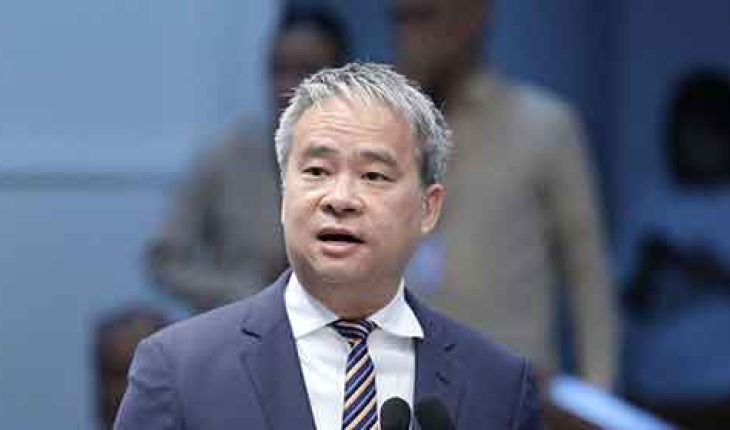
Speaking on Thursday, Villanueva said Senate Bill No. 1917, also known as the OFWs Remittance Protection Bill, is fundamentally about fairness for millions of Filipinos working abroad.
“Our OFWs keep the Philippine economy robust. They deserve a system that values their sacrifices by making every remittance secure, affordable and accessible,” Villanueva said in a statement.
He stressed that the earnings of overseas workers should directly benefit their families rather than be reduced by excessive remittance charges.
“The earnings of our OFWs should directly benefit their loved ones, and not be diminished by unnecessary costs,” he added.
According to the senator, the recent appeal by the Department of Finance to lower remittance fees provided fresh momentum for advancing the bill, which was approved by the Senate on third reading in March.
Under the proposed measure, remittance service providers would be required to fully disclose all applicable fees and foreign exchange rates, allowing OFWs and their beneficiaries to clearly understand the actual cost of every transaction and helping prevent unreasonable deductions.
The bill also seeks to prohibit sudden or unilateral increases in remittance charges. It would require financial service providers to consult stakeholders before implementing fee adjustments and would impose penalties on those found violating the law.
Villanueva said the legislation aims to strengthen consumer protection by promoting transparent remittance costs, improving accountability among financial service providers, and ensuring that overseas Filipino workers receive the full value of their hard-earned income.
If enacted, the measure is expected to provide stronger safeguards for millions of OFWs who regularly send money home to support their families and contribute significantly to the Philippine economy.